
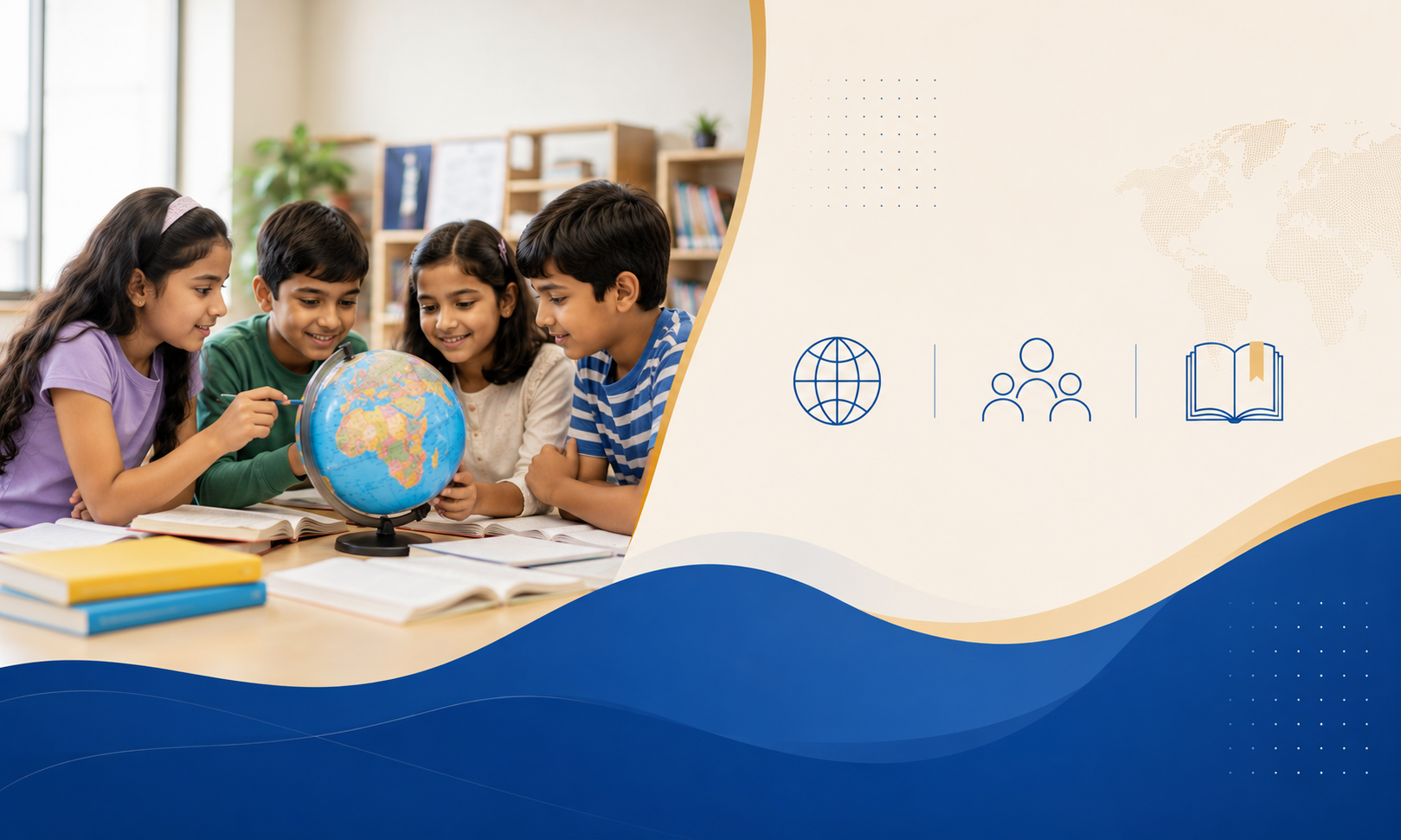
Ask any early years educator what worries them most, and the answer rarely involves whether a four-year-old can recognise letters or count to twenty. It is almost always something quieter, whether a child feels safe enough to try, to fail, to ask a question without embarrassment. This was the recurring thread running through recent conversations at the Early Years Summit Pune, a gathering that regularly draws voices from the best international schools in Pune to discuss what the earliest years of school actually need to accomplish.
The Foundation Is Built Earlier Than Most Parents Expect
There is a persistent misconception that real learning begins somewhere around the first grade, once a child starts reading and writing in earnest. Everything before that is often treated as preparation, pleasant but not particularly consequential. The research, and the conversations at gatherings like the Early Years Summit, consistently push back against this idea.
The early years are when a child’s fundamental orientation toward learning takes shape. A child who is regularly encouraged to explore, ask questions, and make small decisions develops a very different relationship with school than a child who spends those years being managed and directed. This is not a matter of one child being smarter than another. It is a matter of one child having had more practice being curious.
Play Is Not a Break From Learning, It Is the Learning
One theme that comes up repeatedly whenever early years educators speak candidly is the ongoing tension between structured instruction and open ended play. Parents, understandably eager for their child to be ahead, sometimes push for more worksheets, more formal instruction, earlier academic content.
The consensus among genuinely experienced early years practitioners runs in the opposite direction. Play, particularly the kind that is child directed rather than adult scripted, is where a young child builds the skills that formal instruction later depends on, negotiation, patience, problem solving, the ability to sit with an unresolved situation without giving up. A child who has had ample room for this kind of play tends to arrive at formal schooling more ready for it, not less.
Emotional Security Comes Before Academic Progress
Another point raised consistently in discussions around early childhood education is the sequencing of development. A child who does not yet feel secure, who is anxious about separation, unfamiliar routines, or unfamiliar adults, is simply not in a position to absorb new academic content effectively. The nervous system has to feel safe before the mind is free to be curious.
This is why the best early years programmes invest heavily in relationships before they invest in content. Teachers in these settings spend considerable time simply being present, predictable, and warm, building the kind of trust that allows a child to take the small risks that early learning requires, raising a hand, attempting an answer, admitting confusion.
What This Means for How a School Should Be Chosen
For parents evaluating early years programmes among international schools in pune, the practical implication is straightforward, though not always easy to act on. Resist judging an early years programme purely by how academic it looks on paper. A classroom full of worksheets and early reading drills can look reassuring to a parent, while a classroom built around structured play, exploration, and relationship building can look, at first glance, less rigorous.
The more useful questions to ask are about the daily rhythm of the classroom. How much unstructured time does a child have. How does a teacher respond when a child is upset or overwhelmed. What does the transition into the classroom each morning actually look like. These details tend to reveal far more about the quality of an early years programme than any list of skills a school claims to teach.
Building This Into the Years That Follow
What makes gatherings like the Early Years Summit Pune valuable is the consistent reminder that early childhood education is not a separate, self contained phase. It is the foundation on which every later stage of schooling is built. A child who learns early on that curiosity is welcomed, that mistakes are survivable, and that adults can be trusted to help without taking over, carries that foundation directly into the habits of inquiry and independence that a strong international curriculum later asks of them.
At Heritage, this understanding shapes how the earliest years of school are designed, with deliberate emphasis on play, relationship, and emotional security well before any formal academic pressure is introduced. If you would like to see what this looks like for your own child, we would be glad to walk you through it. You can begin your IB school admission in Pune whenever you are ready, and our admissions team is here to help.