
Learning with eyes wide open and sleeves rolled up
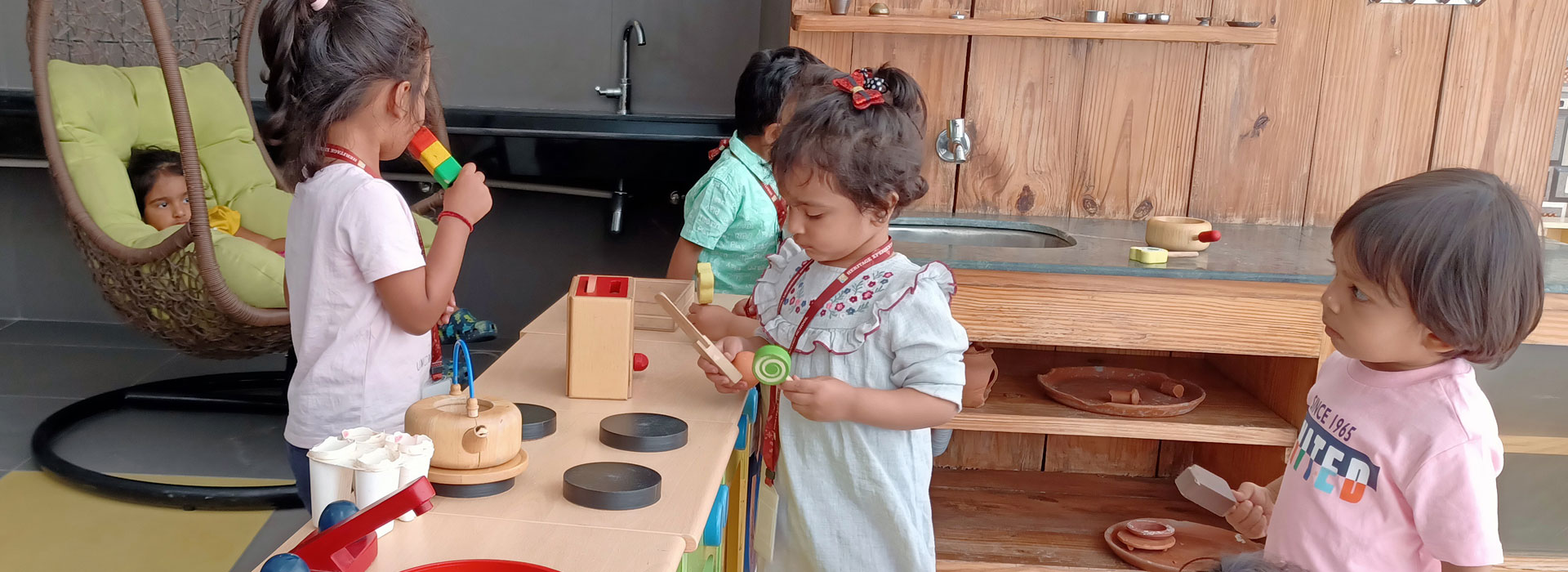
Heritage International Xperiential School Pune is a pioneering international school with a progressive experiential curriculum focused on skills that prepare learners for the dynamic, evolving landscape of their future. We believe that students will be invested in what they are taught when it’s connected to their lives. We see this as the key to keeping learners engaged as they strive for exceptional academic outcomes.
The HIXS Curriculum encapsulates the vision of establishing a learning community where each is free to be and grow towards the realisation of their highest human potential through harmonious integration of spirit, heart, mind, and body. It draws upon a range of curricula to ensure an engaging, challenging and progressive programme of learning that meets national and international standards.
English Language and Literacy
The development of language is fundamental to communication; it supports and enhances our thinking and understanding. Language permeates our world, our social interactions and our relationships.
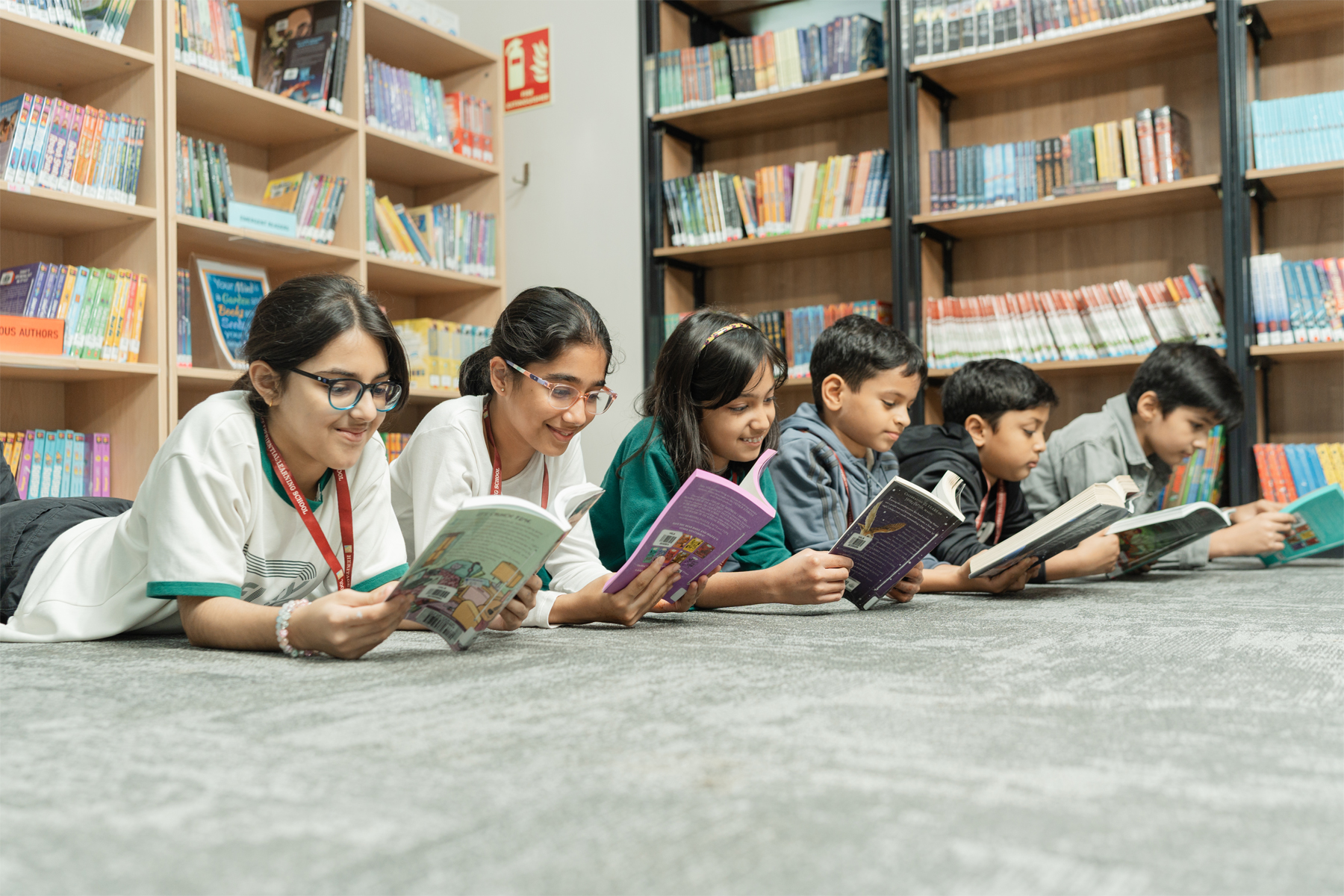
The aim of the English curriculum at HIXS is two-fold. Firstly, students should acquire the appropriate level of language to access learning in English, empowering learners and providing an intellectual framework to support conceptual development and critical thinking. Secondly, students should also develop an appreciation of the English Language as first-language learners, eventually appreciating a range of literature and the writer’s craft, as well as developing the skills to produce written, visual and oral texts for different audiences and purposes.
It also uses the RWI Framework, a systematic approach to teaching reading and writing called Read Write Inc., developed by Ruth Miskin. It connects phonics, reading, and writing by teaching children to decode sounds and blend them into words, apply this to reading and comprehending storybooks, and then use that knowledge to spell and write their own stories. The program is structured with daily lessons, regular assessments, and integrated activities to build fluency and a love for reading and writing.
The curriculum standards are primarily derived from the IB PYP Language Scope and Sequence and the National Curriculum of England, with adaptations to ensure that language acquisition is also a priority, enabling learners to access the curriculum and become global communicators.
Mathematics
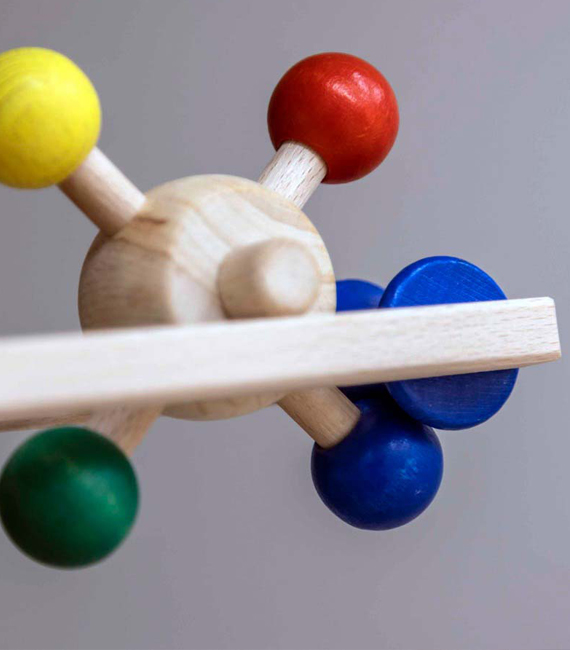
The Mathematics Curriculum has been developed using the IB PYP Mathematics Scope and Sequence and The Bridges in Mathematics, both of which are fully aligned with the American Common Core State Standards in Mathematics. It also references mathematics curricula of countries such as India, the UK and Singapore. Mathematics is viewed primarily as a vehicle to support inquiry, providing a global language through which learners make sense of the world around them. Students can appreciate the intrinsic fascination of mathematics and explore the world through its unique perceptions.
Over eight years of study in primary school, students can successfully apply mathematical skills in data handling, measurement, shape and space, pattern, function, number, and practical applications across different curricula. With an inquiry-based and student-centred approach, the curriculum focuses on supporting students in building a mathematical knowledge system as well as developing mathematical reasoning
Science
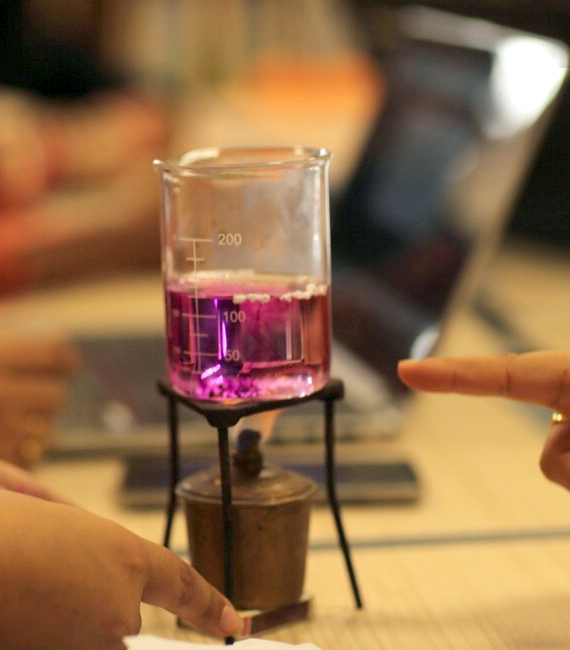
The Science Curriculum, rooted in the IB PYP Scope and Sequence, enables students to develop an understanding and ideas of science through the exploration of the biological, chemical and physical aspects of the natural world and the relationships between them. It supports students in developing substantive knowledge and it leads learners to an appreciation of the world from a scientific perspective, encouraging curiosity and ingenuity. All transdisciplinary themes have a science strand running through them. Science skills are the bedrock of science learning. The main skills that children develop throughout their primary school years at HIXS are as follows:
- Observe carefully to gather data.
- Use a variety of instruments and tools to measure data accurately.
- Use scientific vocabulary to explain observations and experiences.
- Identify or generate a question or problem to be explored.
- Plan and carry out systematic investigations, manipulating variables as necessary.
- Make and test predictions.
- Interpret and evaluate data to draw conclusions.
- Consider scientific models and applications of these models (including their limitations).
Social Studies
Social Studies guide students towards a deeper understanding of themselves and others, as well as their place in an increasingly global society. Social Studies encompasses history, geography, and global citizenship education. We follow a high-quality and exciting programme of study, rooted in the IB PYP Scope and Sequence and enriched with the National Curriculum of England. The knowledge component is arranged into five strands:
- Local and Place knowledge
- Human and Physical Geography
- Understanding Self and Community
- Exploring Time and Change, and
- Awareness of Societies and Responsibilities.
The curriculum has been adapted and developed to provide students with a comprehensive understanding of India’s past and to foster their knowledge of significant locations in the wider world. Students also explore key events in world history, ensuring that a breadth and balance of content are covered through the units of inquiry. The curriculum also focuses on covering age-appropriate and internationally recognised concepts and skills in an evolving landscape, rather than just by content.
Hindi Language and Literature
The IB curriculum emphasises cross-cultural understanding and respect through the acquisition of multiple languages. Research consistently demonstrates that language acquisition not only provides cognitive benefits but also fosters creativity, enabling students to collaborate effectively and tackle complex problems. Hindi language plays a significant part in understanding the diverse cultural tapestry of greater India. The aim of the Hindi curriculum is two-fold. Firstly, it is the official language of India and being multilingual is seen as an advantage in today’s closely knit global landscape. It supports students in connecting with the wider population. Secondly, research shows that children who are exposed to multiple languages often develop stronger cognitive skills, including memory, problem-solving, creativity, and cognitive flexibility, which can enhance academic performance.
Marathi Language and Literature
As the official language of Maharashtra, Marathi is seen as the vehicle that celebrates the region’s heritage, traditions, and social fabric. At HIXS Pune, we see learning Marathi as essential for cultural integration, effective communication, and community building. In line with the Maharashtra Ministry of School Education guidelines, Marathi is offered as a compulsory subject from Grade 1 through Grade 9.
Personal, Social, and Physical Education
The HIXS Personal, Social and Physical Education (PSPE)TM curriculum focuses on a learner’s overall physical and emotional well-being. The curriculum is formed through the blending and mapping of the HIXS Human Framework, the Australian Curriculum and the National Curriculum of England, with the structure and majority standards derived from the IB PYP PSPE Scope and Sequence.
It encompasses physical, emotional, cognitive, spiritual, and social health; an understanding of self, developing and maintaining relationships with others; and practising an active, healthy lifestyle. Guided inquiry is central to the curriculum’s philosophy as a powerful vehicle for learning, challenging students to engage with significant ideas. The PSPE curriculum intention is our commitment to a concept-driven curriculum as a means of supporting inquiry, student agency, high levels of wellbeing and a deep knowledge of our own learning behaviours under a set of overarching concepts.